Winning big: The psychology behind gambling at casinos
The Allure of the Casino Environment
Casinos are designed to create a vibrant and exhilarating atmosphere that appeals to our psychological tendencies. The vivid lights, the sounds of coins clinking, and the aroma of delicious food all play a significant role in enhancing the sensory experience. This multi-sensory environment stimulates excitement and anticipation, causing visitors to feel a rush every time they take a seat at a game table or approach a slot machine.
The idea of winning big is deeply ingrained in human psychology. Many people enter a casino dreaming of striking it rich, and this fantasy fuels their desire to play. By creating an environment that reinforces these dreams, casinos tap into our innate impulsive nature, leading us to spend more time—and money—than we originally intended. Visit an ice fishing casino, and you’ll find these principles apply, merging unique experiences with the opportunity for financial gain.

Moreover, the visual and auditory stimuli in casinos are strategically designed to keep players engaged for longer periods. Bright colors and dynamic graphics on machines, combined with sounds that mimic wins, create an illusion of constant action. This sensory overload can lead to extended gaming sessions, where a player may lose track of time and reality, all under the influence of carefully crafted design features.
The Role of Probability and Risk
Understanding the odds is crucial in gambling, but many players fall prey to misconceptions about probability. For instance, the belief that past outcomes affect future results—known as the gambler’s fallacy—often influences decision-making. This psychological bias can lead individuals to think that they are “due” for a win after a series of losses, prompting them to continue betting in the hopes of recovering their losses.
Additionally, the thrill of taking risks serves as a powerful motivator. Engaging in gambling activates reward pathways in the brain, leading to feelings of pleasure and satisfaction. The unpredictability and the potential for a big win create an adrenaline rush that many find addictive, making it difficult to walk away even when the odds are not in their favor. Understanding this phenomenon is critical, as it highlights the allure that risk-taking has in reinforcing gambling behavior.
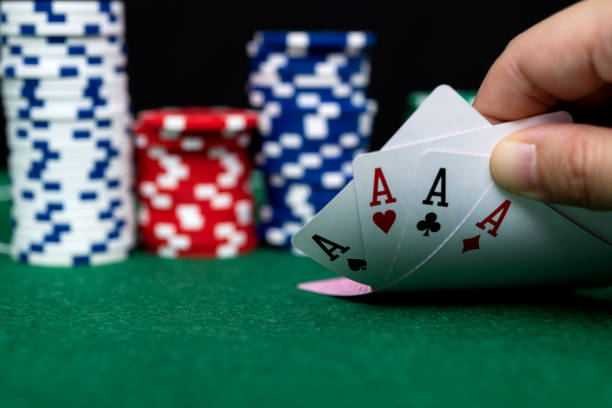
In many cases, this attraction to risk can override logical thinking, causing individuals to chase after losses. This chase can spiral into a cycle of increasing desperation as players believe they can outsmart the odds, unaware that the house always has an advantage. Recognizing these patterns can empower individuals to make healthier choices and establish limits to minimize losses.
Emotional Decision-Making in Gambling
Emotions play a crucial role in the decisions gamblers make. The thrill of a near-miss can elevate excitement, leading individuals to gamble more in hopes of achieving the feeling again. Conversely, loss can trigger strong emotions such as frustration or desperation, further perpetuating a cycle of increased wagering to reclaim lost funds.
This emotional rollercoaster can cloud judgment and impair rational thinking. Many gamblers tend to ignore the logical aspects of their situation, focusing instead on the heightened feelings associated with each game played. This emotional engagement creates a powerful feedback loop that keeps players returning to the casino, lured by their desire to recapture moments of joy and triumph. Cultivating awareness of these emotions can aid players in making decisions grounded in rationale rather than sentiment.
Social Influences and Peer Pressure
The social aspect of gambling cannot be overlooked. Many people enjoy visiting casinos with friends or family, making it as much about the interaction as the games themselves. This social element intensifies the experience, encouraging individuals to partake in betting behavior they might avoid on their own.
Social validation can significantly affect gambling habits. Observing peers winning can push individuals to join in and take greater risks, even if they initially intended to play conservatively. This phenomenon showcases how social dynamics can alter our perceptions and behaviors, driving us towards decisions we may not have made alone. It is essential to recognize how these external influences can shift our intentions and lead us to partake in activities we might reconsider if evaluating our choices in isolation.
Understanding Casinos: Resources and Insights
Casinos are fascinating arenas steeped in unique psychological principles that influence play patterns. Decoding these principles can enhance one’s understanding of not just gambling strategies, but also personal boundaries and decision-making processes. Knowing why we gamble can empower players to make informed choices, potentially minimizing harmful behaviors.
Whether you’re a casual player or a seasoned gambler, it’s essential to stay informed about these psychological nuances. The interplay of environment, emotion, probability, and social dynamics defines the gambling landscape. For those looking for insights, exploring resources like casino-focused websites can provide valuable information and tips for smart gambling practices, ensuring you enjoy your experience while being aware of what drives your decisions. Engaging with educated perspectives can foster healthier gambling habits, encouraging a more balanced approach to the excitement casinos offer.